Indicator
Year
How to use the Australian Social Progress Index
- Select an indicator from the dropdown list, and choose a year from the slider to compare available States and Territories data for the indicator, for that year.
- To see a scorecard for a particular State or Territory, click within their boundary on the map or use the above navigation.
Social Progress

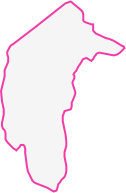
ACT

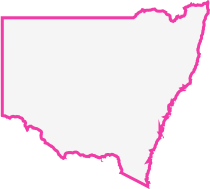
NSW

NT
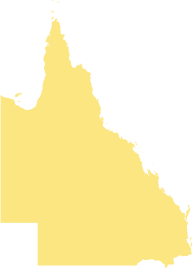
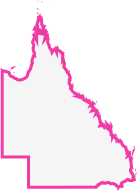
QLD
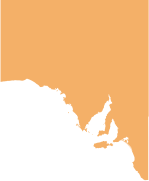
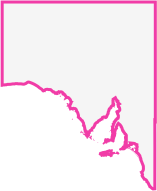
SA

TAS
VIC
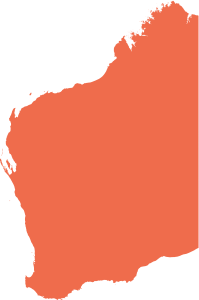
WA
Legend
-
0-20
-
20-40
-
40-60
-
60-80
-
80-100
How to use the Australian Social Progress Index
- Select an indicator from the dropdown list, and choose a year from the slider to compare available States and Territories data for the indicator, for that year.
- To see a scorecard for a particular State or Territory, click within their boundary on the map or use the above navigation.
Find out what this means for
rates highest for: ()
Nutrition and Basic Medical Care asks whether people have enough food to eat and if they are receiving basic medical care.
It is calculated using infant mortality rates, pnenumococcal and rotavirus prevalence, premature mortality, and Indigenous mortality rates.
Water and Sanitation asks whether people can drink water and keep themselves clean without getting sick.
It is calculated using notification rates for waterborne diseases Shingellosis, Cryptosporidiosis, and Salmonella, and rates of water interruption in urban water networks.
Shelter asks whether people have adequate housing with basic utilities.
It is calculated using use of homelessness services, social housing tenancy rates, overcrowding, specialist housing service accommodation provision, greatest need for social housing, and rental affordability in low income households.
Personal Safety asks whether people feel safe.
It is calculated using self-reported safety at home at night, victimisation rates for physical assault, offender rates of acts to cause injury, youth crime rate, and rate of young people in community or detention supervision.
Access to Basic Knowledge asks whether people have access to an educational foundation.
It is calculated using year 9 students achieving below national minimum standard for numeracy on NAPLAN, Indigenous to non-Indigenous differences in NAPLAN reading scores, school retention rates between years 7 and 11, access to early childhood education, and Indigenous to non-Indigenous differences in school attendance rates.
Access to Information & Communications asks whether people can freely access ideas and information.
It is calculated using the digital access, affordability and ability scales from the Digital Inclusion Index, and the proportion of the proportion of the population that are registered library users.
Health & Wellness asks whether people can live long and healthy lives.
It is calculated using the rate of the populations receiving community mental health treatment, deaths due to suicide, respiratory disease, diabetes, cancer, or cardiovascular disease.
Environmental Quality asks whether this society is using its resources so they will be available for future generations.
It is calculate using Air Quality Index markers – sulfur dioxide, PM2.5 and PM10 concentrations, proportion of annual tree cover loss that is due to bushfires, and greenhouse gas emissions per capita.
Personal Rights asks whether people’s rights as individuals are protected.
It is calculated using the enrolled voter rate, perceptions of police integrity, rate of recorded sexual assault by males, and teen pregnancy rate.
Personal Freedom & Choice asks whether people are free to make their own life choices.
It is calculated using the rate ratio of Indigenous to non-Indigenous children in out of home care and subjects of abuse investigations, perceptions of safety on public transport at night, and the rate of women seeking homelessness services due to family and domestic violence.
Inclusiveness asks whether no one is excluded from the opportunity to be a contributing member of society.
It is calculated using calculated gender pay gap, gendered underutilisation disparity, proportion of the population who volunteer, and self-reported satisfaction with connection to their community.
Access to Advanced Education asks whether people have the opportunity to access the world’s most advanced knowledge.
It is calculated using the proportion of the population who attend post-secondary education and have a post-school qualification, proportion of 15-24 year-olds who are not fully engaged in employment or study, and gender disparity in higher education achievement.
rates lowest for: ()
Nutrition and Basic Medical Care asks whether people have enough food to eat and if they are receiving basic medical care.
It is calculated using infant mortality rates, pnenumococcal and rotavirus prevalence, premature mortality, and Indigenous mortality rates.
Water and Sanitation asks whether people can drink water and keep themselves clean without getting sick.
It is calculated using notification rates for waterborne diseases Shingellosis, Cryptosporidiosis, and Salmonella, and rates of water interruption in urban water networks.
Shelter asks whether people have adequate housing with basic utilities.
It is calculated using use of homelessness services, social housing tenancy rates, overcrowding, specialist housing service accommodation provision, greatest need for social housing, and rental affordability in low income households.
Personal Safety asks whether people feel safe.
It is calculated using self-reported safety at home at night, victimisation rates for physical assault, offender rates of acts to cause injury, youth crime rate, and rate of young people in community or detention supervision.
Access to Basic Knowledge asks whether people have access to an educational foundation.
It is calculated using year 9 students achieving below national minimum standard for numeracy on NAPLAN, Indigenous to non-Indigenous differences in NAPLAN reading scores, school retention rates between years 7 and 11, access to early childhood education, and Indigenous to non-Indigenous differences in school attendance rates.
Access to Information & Communications asks whether people can freely access ideas and information.
It is calculated using the digital access, affordability and ability scales from the Digital Inclusion Index, and the proportion of the proportion of the population that are registered library users.
Health & Wellness asks whether people can live long and healthy lives.
It is calculated using the rate of the populations receiving community mental health treatment, deaths due to suicide, respiratory disease, diabetes, cancer, or cardiovascular disease.
Environmental Quality asks whether this society is using its resources so they will be available for future generations.
It is calculate using Air Quality Index markers – sulfur dioxide, PM2.5 and PM10 concentrations, proportion of annual tree cover loss that is due to bushfires, and greenhouse gas emissions per capita.
Personal Rights asks whether people’s rights as individuals are protected.
It is calculated using the enrolled voter rate, perceptions of police integrity, rate of recorded sexual assault by males, and teen pregnancy rate.
Personal Freedom & Choice asks whether people are free to make their own life choices.
It is calculated using the rate ratio of Indigenous to non-Indigenous children in out of home care and subjects of abuse investigations, perceptions of safety on public transport at night, and the rate of women seeking homelessness services due to family and domestic violence.
Inclusiveness asks whether no one is excluded from the opportunity to be a contributing member of society.
It is calculated using calculated gender pay gap, gendered underutilisation disparity, proportion of the population who volunteer, and self-reported satisfaction with connection to their community.
Access to Advanced Education asks whether people have the opportunity to access the world’s most advanced knowledge.
It is calculated using the proportion of the population who attend post-secondary education and have a post-school qualification, proportion of 15-24 year-olds who are not fully engaged in employment or study, and gender disparity in higher education achievement.
Indicators
Basic Human Needs
-
Nutrition & Basic Medical Care ?
- Infant mortality
- Pnenumococcal prevalence
- Rotavirus prevalence
- Premature mortality (<75)
- Indigenous mortality rates
-
Water & Sanitation ?
- Waterborne diseases - Shingellosis
- Waterborne diseases - Cryptosporidiosis
- Waterborne diseases - Salmonella
- Water interruption
-
Shelter ?
- Social housing tenancy
- Accommodation provision
- Greatest need for social housing
- Rental affordability
-
Personal Safety ?
- Perceived safety at home at night
- Physical assaults
- Acts to cause injury
- Youth crime rates
- Youth justice supervision
Foundations of Wellbeing
-
Access to Basic Knowledge ?
- NAPLAN Numeracy Year 9
- NAPLAN Reading Year 9 - Indigenous
- High school student retention rates
- Access to early childhood education
- Gap in Indigenous student attendance rate
-
Access to Information & Communications ?
- Digital access
- Digital affordability
- Digital ability
- Registered library users
-
Health & Wellness ?
- Community mental health treatment
- Suicide
- Respiratory mortality
- Diabetes mortality
- Cancer mortality
- Cardiovascular mortality
-
Environmental Quality ?
- PM10 concentrations
- PM2.5 concentrations
- Environmental crime
- CO2 per capita
Opportunity
-
Personal Rights ?
- Voter registration
- Police integrity
- Male sexual assault and related offences
- Teen pregnancy
-
Personal Freedom & Choice ?
- Child abuse substantiations - Indigenous disparity
- Out of home care - Indigenous disparity
- Public transport safety
- Women seeking homelessness services FDV
-
Inclusiveness ?
- Gender pay gap
- Gender employment underutilisation
- Volunteering
- Satisfaction with connection to community
-
Access to Advanced Education ?
- Post high school enrolment
- Educational attainment per population
- NEET
- Gender parity in higher education achievement
Find out what this means for
rates highest for: ()
Nutrition and Basic Medical Care asks whether people have enough food to eat and if they are receiving basic medical care.
It is calculated using infant mortality rates, pnenumococcal and rotavirus prevalence, premature mortality, and Indigenous mortality rates.
Water and Sanitation asks whether people can drink water and keep themselves clean without getting sick.
It is calculated using notification rates for waterborne diseases Shingellosis, Cryptosporidiosis, and Salmonella, and rates of water interruption in urban water networks.
Shelter asks whether people have adequate housing with basic utilities.
It is calculated using use of homelessness services, social housing tenancy rates, overcrowding, specialist housing service accommodation provision, greatest need for social housing, and rental affordability in low income households.
Personal Safety asks whether people feel safe.
It is calculated using self-reported safety at home at night, victimisation rates for physical assault, offender rates of acts to cause injury, youth crime rate, and rate of young people in community or detention supervision.
Access to Basic Knowledge asks whether people have access to an educational foundation.
It is calculated using year 9 students achieving below national minimum standard for numeracy on NAPLAN, Indigenous to non-Indigenous differences in NAPLAN reading scores, school retention rates between years 7 and 11, access to early childhood education, and Indigenous to non-Indigenous differences in school attendance rates.
Access to Information & Communications asks whether people can freely access ideas and information.
It is calculated using the digital access, affordability and ability scales from the Digital Inclusion Index, and the proportion of the proportion of the population that are registered library users.
Health & Wellness asks whether people can live long and healthy lives.
It is calculated using the rate of the populations receiving community mental health treatment, deaths due to suicide, respiratory disease, diabetes, cancer, or cardiovascular disease.
Environmental Quality asks whether this society is using its resources so they will be available for future generations.
It is calculate using Air Quality Index markers – sulfur dioxide, PM2.5 and PM10 concentrations, proportion of annual tree cover loss that is due to bushfires, and greenhouse gas emissions per capita.
Personal Rights asks whether people’s rights as individuals are protected.
It is calculated using the enrolled voter rate, perceptions of police integrity, rate of recorded sexual assault by males, and teen pregnancy rate.
Personal Freedom & Choice asks whether people are free to make their own life choices.
It is calculated using the rate ratio of Indigenous to non-Indigenous children in out of home care and subjects of abuse investigations, perceptions of safety on public transport at night, and the rate of women seeking homelessness services due to family and domestic violence.
Inclusiveness asks whether no one is excluded from the opportunity to be a contributing member of society.
It is calculated using calculated gender pay gap, gendered underutilisation disparity, proportion of the population who volunteer, and self-reported satisfaction with connection to their community.
Access to Advanced Education asks whether people have the opportunity to access the world’s most advanced knowledge.
It is calculated using the proportion of the population who attend post-secondary education and have a post-school qualification, proportion of 15-24 year-olds who are not fully engaged in employment or study, and gender disparity in higher education achievement.
rates lowest for: ()
Nutrition and Basic Medical Care asks whether people have enough food to eat and if they are receiving basic medical care.
It is calculated using infant mortality rates, pnenumococcal and rotavirus prevalence, premature mortality, and Indigenous mortality rates.
Water and Sanitation asks whether people can drink water and keep themselves clean without getting sick.
It is calculated using notification rates for waterborne diseases Shingellosis, Cryptosporidiosis, and Salmonella, and rates of water interruption in urban water networks.
Shelter asks whether people have adequate housing with basic utilities.
It is calculated using use of homelessness services, social housing tenancy rates, overcrowding, specialist housing service accommodation provision, greatest need for social housing, and rental affordability in low income households.
Personal Safety asks whether people feel safe.
It is calculated using self-reported safety at home at night, victimisation rates for physical assault, offender rates of acts to cause injury, youth crime rate, and rate of young people in community or detention supervision.
Access to Basic Knowledge asks whether people have access to an educational foundation.
It is calculated using year 9 students achieving below national minimum standard for numeracy on NAPLAN, Indigenous to non-Indigenous differences in NAPLAN reading scores, school retention rates between years 7 and 11, access to early childhood education, and Indigenous to non-Indigenous differences in school attendance rates.
Access to Information & Communications asks whether people can freely access ideas and information.
It is calculated using the digital access, affordability and ability scales from the Digital Inclusion Index, and the proportion of the proportion of the population that are registered library users.
Health & Wellness asks whether people can live long and healthy lives.
It is calculated using the rate of the populations receiving community mental health treatment, deaths due to suicide, respiratory disease, diabetes, cancer, or cardiovascular disease.
Environmental Quality asks whether this society is using its resources so they will be available for future generations.
It is calculate using Air Quality Index markers – sulfur dioxide, PM2.5 and PM10 concentrations, proportion of annual tree cover loss that is due to bushfires, and greenhouse gas emissions per capita.
Personal Rights asks whether people’s rights as individuals are protected.
It is calculated using the enrolled voter rate, perceptions of police integrity, rate of recorded sexual assault by males, and teen pregnancy rate.
Personal Freedom & Choice asks whether people are free to make their own life choices.
It is calculated using the rate ratio of Indigenous to non-Indigenous children in out of home care and subjects of abuse investigations, perceptions of safety on public transport at night, and the rate of women seeking homelessness services due to family and domestic violence.
Inclusiveness asks whether no one is excluded from the opportunity to be a contributing member of society.
It is calculated using calculated gender pay gap, gendered underutilisation disparity, proportion of the population who volunteer, and self-reported satisfaction with connection to their community.
Access to Advanced Education asks whether people have the opportunity to access the world’s most advanced knowledge.
It is calculated using the proportion of the population who attend post-secondary education and have a post-school qualification, proportion of 15-24 year-olds who are not fully engaged in employment or study, and gender disparity in higher education achievement.
Indicators
Basic Human Needs
-
Nutrition & Basic Medical Care ?
- Infant mortality
- Pnenumococcal prevalence
- Rotavirus prevalence
- Premature mortality (<75)
- Indigenous mortality rates
-
Water & Sanitation ?
- Waterborne diseases - Shingellosis
- Waterborne diseases - Cryptosporidiosis
- Waterborne diseases - Salmonella
- Water interruption
-
Shelter ?
- Social housing tenancy
- Accommodation provision
- Greatest need for social housing
- Rental affordability
-
Personal Safety ?
- Perceived safety at home at night
- Physical assaults
- Acts to cause injury
- Youth crime rates
- Youth justice supervision
Foundations of Wellbeing
-
Access to Basic Knowledge ?
- NAPLAN Numeracy Year 9
- NAPLAN Reading Year 9 - Indigenous
- High school student retention rates
- Access to early childhood education
- Gap in Indigenous student attendance rate
-
Access to Information & Communications ?
- Digital access
- Digital affordability
- Digital ability
- Registered library users
-
Health & Wellness ?
- Community mental health treatment
- Suicide
- Respiratory mortality
- Diabetes mortality
- Cancer mortality
- Cardiovascular mortality
-
Environmental Quality ?
- PM10 concentrations
- PM2.5 concentrations
- Environmental crime
- CO2 per capita
Opportunity
-
Personal Rights ?
- Voter registration
- Police integrity
- Male sexual assault and related offences
- Teen pregnancy
-
Personal Freedom & Choice ?
- Child abuse substantiations - Indigenous disparity
- Out of home care - Indigenous disparity
- Public transport safety
- Women seeking homelessness services FDV
-
Inclusiveness ?
- Gender pay gap
- Gender employment underutilisation
- Volunteering
- Satisfaction with connection to community
-
Access to Advanced Education ?
- Post high school enrolment
- Educational attainment per population
- NEET
- Gender parity in higher education achievement
Find out what this means for
rates highest for: ()
Nutrition and Basic Medical Care asks whether people have enough food to eat and if they are receiving basic medical care.
It is calculated using infant mortality rates, pnenumococcal and rotavirus prevalence, premature mortality, and Indigenous mortality rates.
Water and Sanitation asks whether people can drink water and keep themselves clean without getting sick.
It is calculated using notification rates for waterborne diseases Shingellosis, Cryptosporidiosis, and Salmonella, and rates of water interruption in urban water networks.
Shelter asks whether people have adequate housing with basic utilities.
It is calculated using use of homelessness services, social housing tenancy rates, overcrowding, specialist housing service accommodation provision, greatest need for social housing, and rental affordability in low income households.
Personal Safety asks whether people feel safe.
It is calculated using self-reported safety at home at night, victimisation rates for physical assault, offender rates of acts to cause injury, youth crime rate, and rate of young people in community or detention supervision.
Access to Basic Knowledge asks whether people have access to an educational foundation.
It is calculated using year 9 students achieving below national minimum standard for numeracy on NAPLAN, Indigenous to non-Indigenous differences in NAPLAN reading scores, school retention rates between years 7 and 11, access to early childhood education, and Indigenous to non-Indigenous differences in school attendance rates.
Access to Information & Communications asks whether people can freely access ideas and information.
It is calculated using the digital access, affordability and ability scales from the Digital Inclusion Index, and the proportion of the proportion of the population that are registered library users.
Health & Wellness asks whether people can live long and healthy lives.
It is calculated using the rate of the populations receiving community mental health treatment, deaths due to suicide, respiratory disease, diabetes, cancer, or cardiovascular disease.
Environmental Quality asks whether this society is using its resources so they will be available for future generations.
It is calculate using Air Quality Index markers – sulfur dioxide, PM2.5 and PM10 concentrations, proportion of annual tree cover loss that is due to bushfires, and greenhouse gas emissions per capita.
Personal Rights asks whether people’s rights as individuals are protected.
It is calculated using the enrolled voter rate, perceptions of police integrity, rate of recorded sexual assault by males, and teen pregnancy rate.
Personal Freedom & Choice asks whether people are free to make their own life choices.
It is calculated using the rate ratio of Indigenous to non-Indigenous children in out of home care and subjects of abuse investigations, perceptions of safety on public transport at night, and the rate of women seeking homelessness services due to family and domestic violence.
Inclusiveness asks whether no one is excluded from the opportunity to be a contributing member of society.
It is calculated using calculated gender pay gap, gendered underutilisation disparity, proportion of the population who volunteer, and self-reported satisfaction with connection to their community.
Access to Advanced Education asks whether people have the opportunity to access the world’s most advanced knowledge.
It is calculated using the proportion of the population who attend post-secondary education and have a post-school qualification, proportion of 15-24 year-olds who are not fully engaged in employment or study, and gender disparity in higher education achievement.
rates lowest for: ()
Nutrition and Basic Medical Care asks whether people have enough food to eat and if they are receiving basic medical care.
It is calculated using infant mortality rates, pnenumococcal and rotavirus prevalence, premature mortality, and Indigenous mortality rates.
Water and Sanitation asks whether people can drink water and keep themselves clean without getting sick.
It is calculated using notification rates for waterborne diseases Shingellosis, Cryptosporidiosis, and Salmonella, and rates of water interruption in urban water networks.
Shelter asks whether people have adequate housing with basic utilities.
It is calculated using use of homelessness services, social housing tenancy rates, overcrowding, specialist housing service accommodation provision, greatest need for social housing, and rental affordability in low income households.
Personal Safety asks whether people feel safe.
It is calculated using self-reported safety at home at night, victimisation rates for physical assault, offender rates of acts to cause injury, youth crime rate, and rate of young people in community or detention supervision.
Access to Basic Knowledge asks whether people have access to an educational foundation.
It is calculated using year 9 students achieving below national minimum standard for numeracy on NAPLAN, Indigenous to non-Indigenous differences in NAPLAN reading scores, school retention rates between years 7 and 11, access to early childhood education, and Indigenous to non-Indigenous differences in school attendance rates.
Access to Information & Communications asks whether people can freely access ideas and information.
It is calculated using the digital access, affordability and ability scales from the Digital Inclusion Index, and the proportion of the proportion of the population that are registered library users.
Health & Wellness asks whether people can live long and healthy lives.
It is calculated using the rate of the populations receiving community mental health treatment, deaths due to suicide, respiratory disease, diabetes, cancer, or cardiovascular disease.
Environmental Quality asks whether this society is using its resources so they will be available for future generations.
It is calculate using Air Quality Index markers – sulfur dioxide, PM2.5 and PM10 concentrations, proportion of annual tree cover loss that is due to bushfires, and greenhouse gas emissions per capita.
Personal Rights asks whether people’s rights as individuals are protected.
It is calculated using the enrolled voter rate, perceptions of police integrity, rate of recorded sexual assault by males, and teen pregnancy rate.
Personal Freedom & Choice asks whether people are free to make their own life choices.
It is calculated using the rate ratio of Indigenous to non-Indigenous children in out of home care and subjects of abuse investigations, perceptions of safety on public transport at night, and the rate of women seeking homelessness services due to family and domestic violence.
Inclusiveness asks whether no one is excluded from the opportunity to be a contributing member of society.
It is calculated using calculated gender pay gap, gendered underutilisation disparity, proportion of the population who volunteer, and self-reported satisfaction with connection to their community.
Access to Advanced Education asks whether people have the opportunity to access the world’s most advanced knowledge.
It is calculated using the proportion of the population who attend post-secondary education and have a post-school qualification, proportion of 15-24 year-olds who are not fully engaged in employment or study, and gender disparity in higher education achievement.

Indicators
Basic Human Needs
-
Nutrition & Basic Medical Care ?
- Infant mortality
- Pnenumococcal prevalence
- Rotavirus prevalence
- Premature mortality (<75)
- Indigenous mortality rates
-
Water & Sanitation ?
- Waterborne diseases - Shingellosis
- Waterborne diseases - Cryptosporidiosis
- Waterborne diseases - Salmonella
- Water interruption
-
Shelter ?
- Social housing tenancy
- Accommodation provision
- Greatest need for social housing
- Rental affordability
-
Personal Safety ?
- Perceived safety at home at night
- Physical assaults
- Acts to cause injury
- Youth crime rates
- Youth justice supervision
Foundations of Wellbeing
-
Access to Basic Knowledge ?
- NAPLAN Numeracy Year 9
- NAPLAN Reading Year 9 - Indigenous
- High school student retention rates
- Access to early childhood education
- Gap in Indigenous student attendance rate
-
Access to Information & Communications ?
- Digital access
- Digital affordability
- Digital ability
- Registered library users
-
Health & Wellness ?
- Community mental health treatment
- Suicide
- Respiratory mortality
- Diabetes mortality
- Cancer mortality
- Cardiovascular mortality
-
Environmental Quality ?
- PM10 concentrations
- PM2.5 concentrations
- Environmental crime
- CO2 per capita
Opportunity
-
Personal Rights ?
- Voter registration
- Police integrity
- Male sexual assault and related offences
- Teen pregnancy
-
Personal Freedom & Choice ?
- Child abuse substantiations - Indigenous disparity
- Out of home care - Indigenous disparity
- Public transport safety
- Women seeking homelessness services FDV
-
Inclusiveness ?
- Gender pay gap
- Gender employment underutilisation
- Volunteering
- Satisfaction with connection to community
-
Access to Advanced Education ?
- Post high school enrolment
- Educational attainment per population
- NEET
- Gender parity in higher education achievement
Find out what this means for
rates highest for: ()
Nutrition and Basic Medical Care asks whether people have enough food to eat and if they are receiving basic medical care.
It is calculated using infant mortality rates, pnenumococcal and rotavirus prevalence, premature mortality, and Indigenous mortality rates.
Water and Sanitation asks whether people can drink water and keep themselves clean without getting sick.
It is calculated using notification rates for waterborne diseases Shingellosis, Cryptosporidiosis, and Salmonella, and rates of water interruption in urban water networks.
Shelter asks whether people have adequate housing with basic utilities.
It is calculated using use of homelessness services, social housing tenancy rates, overcrowding, specialist housing service accommodation provision, greatest need for social housing, and rental affordability in low income households.
Personal Safety asks whether people feel safe.
It is calculated using self-reported safety at home at night, victimisation rates for physical assault, offender rates of acts to cause injury, youth crime rate, and rate of young people in community or detention supervision.
Access to Basic Knowledge asks whether people have access to an educational foundation.
It is calculated using year 9 students achieving below national minimum standard for numeracy on NAPLAN, Indigenous to non-Indigenous differences in NAPLAN reading scores, school retention rates between years 7 and 11, access to early childhood education, and Indigenous to non-Indigenous differences in school attendance rates.
Access to Information & Communications asks whether people can freely access ideas and information.
It is calculated using the digital access, affordability and ability scales from the Digital Inclusion Index, and the proportion of the proportion of the population that are registered library users.
Health & Wellness asks whether people can live long and healthy lives.
It is calculated using the rate of the populations receiving community mental health treatment, deaths due to suicide, respiratory disease, diabetes, cancer, or cardiovascular disease.
Environmental Quality asks whether this society is using its resources so they will be available for future generations.
It is calculate using Air Quality Index markers – sulfur dioxide, PM2.5 and PM10 concentrations, proportion of annual tree cover loss that is due to bushfires, and greenhouse gas emissions per capita.
Personal Rights asks whether people’s rights as individuals are protected.
It is calculated using the enrolled voter rate, perceptions of police integrity, rate of recorded sexual assault by males, and teen pregnancy rate.
Personal Freedom & Choice asks whether people are free to make their own life choices.
It is calculated using the rate ratio of Indigenous to non-Indigenous children in out of home care and subjects of abuse investigations, perceptions of safety on public transport at night, and the rate of women seeking homelessness services due to family and domestic violence.
Inclusiveness asks whether no one is excluded from the opportunity to be a contributing member of society.
It is calculated using calculated gender pay gap, gendered underutilisation disparity, proportion of the population who volunteer, and self-reported satisfaction with connection to their community.
Access to Advanced Education asks whether people have the opportunity to access the world’s most advanced knowledge.
It is calculated using the proportion of the population who attend post-secondary education and have a post-school qualification, proportion of 15-24 year-olds who are not fully engaged in employment or study, and gender disparity in higher education achievement.
rates lowest for: ()
Nutrition and Basic Medical Care asks whether people have enough food to eat and if they are receiving basic medical care.
It is calculated using infant mortality rates, pnenumococcal and rotavirus prevalence, premature mortality, and Indigenous mortality rates.
Water and Sanitation asks whether people can drink water and keep themselves clean without getting sick.
It is calculated using notification rates for waterborne diseases Shingellosis, Cryptosporidiosis, and Salmonella, and rates of water interruption in urban water networks.
Shelter asks whether people have adequate housing with basic utilities.
It is calculated using use of homelessness services, social housing tenancy rates, overcrowding, specialist housing service accommodation provision, greatest need for social housing, and rental affordability in low income households.
Personal Safety asks whether people feel safe.
It is calculated using self-reported safety at home at night, victimisation rates for physical assault, offender rates of acts to cause injury, youth crime rate, and rate of young people in community or detention supervision.
Access to Basic Knowledge asks whether people have access to an educational foundation.
It is calculated using year 9 students achieving below national minimum standard for numeracy on NAPLAN, Indigenous to non-Indigenous differences in NAPLAN reading scores, school retention rates between years 7 and 11, access to early childhood education, and Indigenous to non-Indigenous differences in school attendance rates.
Access to Information & Communications asks whether people can freely access ideas and information.
It is calculated using the digital access, affordability and ability scales from the Digital Inclusion Index, and the proportion of the proportion of the population that are registered library users.
Health & Wellness asks whether people can live long and healthy lives.
It is calculated using the rate of the populations receiving community mental health treatment, deaths due to suicide, respiratory disease, diabetes, cancer, or cardiovascular disease.
Environmental Quality asks whether this society is using its resources so they will be available for future generations.
It is calculate using Air Quality Index markers – sulfur dioxide, PM2.5 and PM10 concentrations, proportion of annual tree cover loss that is due to bushfires, and greenhouse gas emissions per capita.
Personal Rights asks whether people’s rights as individuals are protected.
It is calculated using the enrolled voter rate, perceptions of police integrity, rate of recorded sexual assault by males, and teen pregnancy rate.
Personal Freedom & Choice asks whether people are free to make their own life choices.
It is calculated using the rate ratio of Indigenous to non-Indigenous children in out of home care and subjects of abuse investigations, perceptions of safety on public transport at night, and the rate of women seeking homelessness services due to family and domestic violence.
Inclusiveness asks whether no one is excluded from the opportunity to be a contributing member of society.
It is calculated using calculated gender pay gap, gendered underutilisation disparity, proportion of the population who volunteer, and self-reported satisfaction with connection to their community.
Access to Advanced Education asks whether people have the opportunity to access the world’s most advanced knowledge.
It is calculated using the proportion of the population who attend post-secondary education and have a post-school qualification, proportion of 15-24 year-olds who are not fully engaged in employment or study, and gender disparity in higher education achievement.
Indicators
Basic Human Needs
-
Nutrition & Basic Medical Care ?
- Infant mortality
- Pnenumococcal prevalence
- Rotavirus prevalence
- Premature mortality (<75)
- Indigenous mortality rates
-
Water & Sanitation ?
- Waterborne diseases - Shingellosis
- Waterborne diseases - Cryptosporidiosis
- Waterborne diseases - Salmonella
- Water interruption
-
Shelter ?
- Social housing tenancy
- Accommodation provision
- Greatest need for social housing
- Rental affordability
-
Personal Safety ?
- Perceived safety at home at night
- Physical assaults
- Acts to cause injury
- Youth crime rates
- Youth justice supervision
Foundations of Wellbeing
-
Access to Basic Knowledge ?
- NAPLAN Numeracy Year 9
- NAPLAN Reading Year 9 - Indigenous
- High school student retention rates
- Access to early childhood education
- Gap in Indigenous student attendance rate
-
Access to Information & Communications ?
- Digital access
- Digital affordability
- Digital ability
- Registered library users
-
Health & Wellness ?
- Community mental health treatment
- Suicide
- Respiratory mortality
- Diabetes mortality
- Cancer mortality
- Cardiovascular mortality
-
Environmental Quality ?
- PM10 concentrations
- PM2.5 concentrations
- Environmental crime
- CO2 per capita
Opportunity
-
Personal Rights ?
- Voter registration
- Police integrity
- Male sexual assault and related offences
- Teen pregnancy
-
Personal Freedom & Choice ?
- Child abuse substantiations - Indigenous disparity
- Out of home care - Indigenous disparity
- Public transport safety
- Women seeking homelessness services FDV
-
Inclusiveness ?
- Gender pay gap
- Gender employment underutilisation
- Volunteering
- Satisfaction with connection to community
-
Access to Advanced Education ?
- Post high school enrolment
- Educational attainment per population
- NEET
- Gender parity in higher education achievement
Find out what this means for
rates highest for: ()
Nutrition and Basic Medical Care asks whether people have enough food to eat and if they are receiving basic medical care.
It is calculated using infant mortality rates, pnenumococcal and rotavirus prevalence, premature mortality, and Indigenous mortality rates.
Water and Sanitation asks whether people can drink water and keep themselves clean without getting sick.
It is calculated using notification rates for waterborne diseases Shingellosis, Cryptosporidiosis, and Salmonella, and rates of water interruption in urban water networks.
Shelter asks whether people have adequate housing with basic utilities.
It is calculated using use of homelessness services, social housing tenancy rates, overcrowding, specialist housing service accommodation provision, greatest need for social housing, and rental affordability in low income households.
Personal Safety asks whether people feel safe.
It is calculated using self-reported safety at home at night, victimisation rates for physical assault, offender rates of acts to cause injury, youth crime rate, and rate of young people in community or detention supervision.
Access to Basic Knowledge asks whether people have access to an educational foundation.
It is calculated using year 9 students achieving below national minimum standard for numeracy on NAPLAN, Indigenous to non-Indigenous differences in NAPLAN reading scores, school retention rates between years 7 and 11, access to early childhood education, and Indigenous to non-Indigenous differences in school attendance rates.
Access to Information & Communications asks whether people can freely access ideas and information.
It is calculated using the digital access, affordability and ability scales from the Digital Inclusion Index, and the proportion of the proportion of the population that are registered library users.
Health & Wellness asks whether people can live long and healthy lives.
It is calculated using the rate of the populations receiving community mental health treatment, deaths due to suicide, respiratory disease, diabetes, cancer, or cardiovascular disease.
Environmental Quality asks whether this society is using its resources so they will be available for future generations.
It is calculate using Air Quality Index markers – sulfur dioxide, PM2.5 and PM10 concentrations, proportion of annual tree cover loss that is due to bushfires, and greenhouse gas emissions per capita.
Personal Rights asks whether people’s rights as individuals are protected.
It is calculated using the enrolled voter rate, perceptions of police integrity, rate of recorded sexual assault by males, and teen pregnancy rate.
Personal Freedom & Choice asks whether people are free to make their own life choices.
It is calculated using the rate ratio of Indigenous to non-Indigenous children in out of home care and subjects of abuse investigations, perceptions of safety on public transport at night, and the rate of women seeking homelessness services due to family and domestic violence.
Inclusiveness asks whether no one is excluded from the opportunity to be a contributing member of society.
It is calculated using calculated gender pay gap, gendered underutilisation disparity, proportion of the population who volunteer, and self-reported satisfaction with connection to their community.
Access to Advanced Education asks whether people have the opportunity to access the world’s most advanced knowledge.
It is calculated using the proportion of the population who attend post-secondary education and have a post-school qualification, proportion of 15-24 year-olds who are not fully engaged in employment or study, and gender disparity in higher education achievement.
rates lowest for: ()
Nutrition and Basic Medical Care asks whether people have enough food to eat and if they are receiving basic medical care.
It is calculated using infant mortality rates, pnenumococcal and rotavirus prevalence, premature mortality, and Indigenous mortality rates.
Water and Sanitation asks whether people can drink water and keep themselves clean without getting sick.
It is calculated using notification rates for waterborne diseases Shingellosis, Cryptosporidiosis, and Salmonella, and rates of water interruption in urban water networks.
Shelter asks whether people have adequate housing with basic utilities.
It is calculated using use of homelessness services, social housing tenancy rates, overcrowding, specialist housing service accommodation provision, greatest need for social housing, and rental affordability in low income households.
Personal Safety asks whether people feel safe.
It is calculated using self-reported safety at home at night, victimisation rates for physical assault, offender rates of acts to cause injury, youth crime rate, and rate of young people in community or detention supervision.
Access to Basic Knowledge asks whether people have access to an educational foundation.
It is calculated using year 9 students achieving below national minimum standard for numeracy on NAPLAN, Indigenous to non-Indigenous differences in NAPLAN reading scores, school retention rates between years 7 and 11, access to early childhood education, and Indigenous to non-Indigenous differences in school attendance rates.
Access to Information & Communications asks whether people can freely access ideas and information.
It is calculated using the digital access, affordability and ability scales from the Digital Inclusion Index, and the proportion of the proportion of the population that are registered library users.
Health & Wellness asks whether people can live long and healthy lives.
It is calculated using the rate of the populations receiving community mental health treatment, deaths due to suicide, respiratory disease, diabetes, cancer, or cardiovascular disease.
Environmental Quality asks whether this society is using its resources so they will be available for future generations.
It is calculate using Air Quality Index markers – sulfur dioxide, PM2.5 and PM10 concentrations, proportion of annual tree cover loss that is due to bushfires, and greenhouse gas emissions per capita.
Personal Rights asks whether people’s rights as individuals are protected.
It is calculated using the enrolled voter rate, perceptions of police integrity, rate of recorded sexual assault by males, and teen pregnancy rate.
Personal Freedom & Choice asks whether people are free to make their own life choices.
It is calculated using the rate ratio of Indigenous to non-Indigenous children in out of home care and subjects of abuse investigations, perceptions of safety on public transport at night, and the rate of women seeking homelessness services due to family and domestic violence.
Inclusiveness asks whether no one is excluded from the opportunity to be a contributing member of society.
It is calculated using calculated gender pay gap, gendered underutilisation disparity, proportion of the population who volunteer, and self-reported satisfaction with connection to their community.
Access to Advanced Education asks whether people have the opportunity to access the world’s most advanced knowledge.
It is calculated using the proportion of the population who attend post-secondary education and have a post-school qualification, proportion of 15-24 year-olds who are not fully engaged in employment or study, and gender disparity in higher education achievement.
Indicators
Basic Human Needs
-
Nutrition & Basic Medical Care ?
- Infant mortality
- Pnenumococcal prevalence
- Rotavirus prevalence
- Premature mortality (<75)
- Indigenous mortality rates
-
Water & Sanitation ?
- Waterborne diseases - Shingellosis
- Waterborne diseases - Cryptosporidiosis
- Waterborne diseases - Salmonella
- Water interruption
-
Shelter ?
- Social housing tenancy
- Accommodation provision
- Greatest need for social housing
- Rental affordability
-
Personal Safety ?
- Perceived safety at home at night
- Physical assaults
- Acts to cause injury
- Youth crime rates
- Youth justice supervision
Foundations of Wellbeing
-
Access to Basic Knowledge ?
- NAPLAN Numeracy Year 9
- NAPLAN Reading Year 9 - Indigenous
- High school student retention rates
- Access to early childhood education
- Gap in Indigenous student attendance rate
-
Access to Information & Communications ?
- Digital access
- Digital affordability
- Digital ability
- Registered library users
-
Health & Wellness ?
- Community mental health treatment
- Suicide
- Respiratory mortality
- Diabetes mortality
- Cancer mortality
- Cardiovascular mortality
-
Environmental Quality ?
- PM10 concentrations
- PM2.5 concentrations
- Environmental crime
- CO2 per capita
Opportunity
-
Personal Rights ?
- Voter registration
- Police integrity
- Male sexual assault and related offences
- Teen pregnancy
-
Personal Freedom & Choice ?
- Child abuse substantiations - Indigenous disparity
- Out of home care - Indigenous disparity
- Public transport safety
- Women seeking homelessness services FDV
-
Inclusiveness ?
- Gender pay gap
- Gender employment underutilisation
- Volunteering
- Satisfaction with connection to community
-
Access to Advanced Education ?
- Post high school enrolment
- Educational attainment per population
- NEET
- Gender parity in higher education achievement
Find out what this means for
rates highest for: ()
Nutrition and Basic Medical Care asks whether people have enough food to eat and if they are receiving basic medical care.
It is calculated using infant mortality rates, pnenumococcal and rotavirus prevalence, premature mortality, and Indigenous mortality rates.
Water and Sanitation asks whether people can drink water and keep themselves clean without getting sick.
It is calculated using notification rates for waterborne diseases Shingellosis, Cryptosporidiosis, and Salmonella, and rates of water interruption in urban water networks.
Shelter asks whether people have adequate housing with basic utilities.
It is calculated using use of homelessness services, social housing tenancy rates, overcrowding, specialist housing service accommodation provision, greatest need for social housing, and rental affordability in low income households.
Personal Safety asks whether people feel safe.
It is calculated using self-reported safety at home at night, victimisation rates for physical assault, offender rates of acts to cause injury, youth crime rate, and rate of young people in community or detention supervision.
Access to Basic Knowledge asks whether people have access to an educational foundation.
It is calculated using year 9 students achieving below national minimum standard for numeracy on NAPLAN, Indigenous to non-Indigenous differences in NAPLAN reading scores, school retention rates between years 7 and 11, access to early childhood education, and Indigenous to non-Indigenous differences in school attendance rates.
Access to Information & Communications asks whether people can freely access ideas and information.
It is calculated using the digital access, affordability and ability scales from the Digital Inclusion Index, and the proportion of the proportion of the population that are registered library users.
Health & Wellness asks whether people can live long and healthy lives.
It is calculated using the rate of the populations receiving community mental health treatment, deaths due to suicide, respiratory disease, diabetes, cancer, or cardiovascular disease.
Environmental Quality asks whether this society is using its resources so they will be available for future generations.
It is calculate using Air Quality Index markers – sulfur dioxide, PM2.5 and PM10 concentrations, proportion of annual tree cover loss that is due to bushfires, and greenhouse gas emissions per capita.
Personal Rights asks whether people’s rights as individuals are protected.
It is calculated using the enrolled voter rate, perceptions of police integrity, rate of recorded sexual assault by males, and teen pregnancy rate.
Personal Freedom & Choice asks whether people are free to make their own life choices.
It is calculated using the rate ratio of Indigenous to non-Indigenous children in out of home care and subjects of abuse investigations, perceptions of safety on public transport at night, and the rate of women seeking homelessness services due to family and domestic violence.
Inclusiveness asks whether no one is excluded from the opportunity to be a contributing member of society.
It is calculated using calculated gender pay gap, gendered underutilisation disparity, proportion of the population who volunteer, and self-reported satisfaction with connection to their community.
Access to Advanced Education asks whether people have the opportunity to access the world’s most advanced knowledge.
It is calculated using the proportion of the population who attend post-secondary education and have a post-school qualification, proportion of 15-24 year-olds who are not fully engaged in employment or study, and gender disparity in higher education achievement.
rates lowest for: ()
Nutrition and Basic Medical Care asks whether people have enough food to eat and if they are receiving basic medical care.
It is calculated using infant mortality rates, pnenumococcal and rotavirus prevalence, premature mortality, and Indigenous mortality rates.
Water and Sanitation asks whether people can drink water and keep themselves clean without getting sick.
It is calculated using notification rates for waterborne diseases Shingellosis, Cryptosporidiosis, and Salmonella, and rates of water interruption in urban water networks.
Shelter asks whether people have adequate housing with basic utilities.
It is calculated using use of homelessness services, social housing tenancy rates, overcrowding, specialist housing service accommodation provision, greatest need for social housing, and rental affordability in low income households.
Personal Safety asks whether people feel safe.
It is calculated using self-reported safety at home at night, victimisation rates for physical assault, offender rates of acts to cause injury, youth crime rate, and rate of young people in community or detention supervision.
Access to Basic Knowledge asks whether people have access to an educational foundation.
It is calculated using year 9 students achieving below national minimum standard for numeracy on NAPLAN, Indigenous to non-Indigenous differences in NAPLAN reading scores, school retention rates between years 7 and 11, access to early childhood education, and Indigenous to non-Indigenous differences in school attendance rates.
Access to Information & Communications asks whether people can freely access ideas and information.
It is calculated using the digital access, affordability and ability scales from the Digital Inclusion Index, and the proportion of the proportion of the population that are registered library users.
Health & Wellness asks whether people can live long and healthy lives.
It is calculated using the rate of the populations receiving community mental health treatment, deaths due to suicide, respiratory disease, diabetes, cancer, or cardiovascular disease.
Environmental Quality asks whether this society is using its resources so they will be available for future generations.
It is calculate using Air Quality Index markers – sulfur dioxide, PM2.5 and PM10 concentrations, proportion of annual tree cover loss that is due to bushfires, and greenhouse gas emissions per capita.
Personal Rights asks whether people’s rights as individuals are protected.
It is calculated using the enrolled voter rate, perceptions of police integrity, rate of recorded sexual assault by males, and teen pregnancy rate.
Personal Freedom & Choice asks whether people are free to make their own life choices.
It is calculated using the rate ratio of Indigenous to non-Indigenous children in out of home care and subjects of abuse investigations, perceptions of safety on public transport at night, and the rate of women seeking homelessness services due to family and domestic violence.
Inclusiveness asks whether no one is excluded from the opportunity to be a contributing member of society.
It is calculated using calculated gender pay gap, gendered underutilisation disparity, proportion of the population who volunteer, and self-reported satisfaction with connection to their community.
Access to Advanced Education asks whether people have the opportunity to access the world’s most advanced knowledge.
It is calculated using the proportion of the population who attend post-secondary education and have a post-school qualification, proportion of 15-24 year-olds who are not fully engaged in employment or study, and gender disparity in higher education achievement.
Indicators
Basic Human Needs
-
Nutrition & Basic Medical Care ?
- Infant mortality
- Pnenumococcal prevalence
- Rotavirus prevalence
- Premature mortality (<75)
- Indigenous mortality rates
-
Water & Sanitation ?
- Waterborne diseases - Shingellosis
- Waterborne diseases - Cryptosporidiosis
- Waterborne diseases - Salmonella
- Water interruption
-
Shelter ?
- Social housing tenancy
- Accommodation provision
- Greatest need for social housing
- Rental affordability
-
Personal Safety ?
- Perceived safety at home at night
- Physical assaults
- Acts to cause injury
- Youth crime rates
- Youth justice supervision
Foundations of Wellbeing
-
Access to Basic Knowledge ?
- NAPLAN Numeracy Year 9
- NAPLAN Reading Year 9 - Indigenous
- High school student retention rates
- Access to early childhood education
- Gap in Indigenous student attendance rate
-
Access to Information & Communications ?
- Digital access
- Digital affordability
- Digital ability
- Registered library users
-
Health & Wellness ?
- Community mental health treatment
- Suicide
- Respiratory mortality
- Diabetes mortality
- Cancer mortality
- Cardiovascular mortality
-
Environmental Quality ?
- PM10 concentrations
- PM2.5 concentrations
- Environmental crime
- CO2 per capita
Opportunity
-
Personal Rights ?
- Voter registration
- Police integrity
- Male sexual assault and related offences
- Teen pregnancy
-
Personal Freedom & Choice ?
- Child abuse substantiations - Indigenous disparity
- Out of home care - Indigenous disparity
- Public transport safety
- Women seeking homelessness services FDV
-
Inclusiveness ?
- Gender pay gap
- Gender employment underutilisation
- Volunteering
- Satisfaction with connection to community
-
Access to Advanced Education ?
- Post high school enrolment
- Educational attainment per population
- NEET
- Gender parity in higher education achievement
Find out what this means for
rates highest for: ()
Nutrition and Basic Medical Care asks whether people have enough food to eat and if they are receiving basic medical care.
It is calculated using infant mortality rates, pnenumococcal and rotavirus prevalence, premature mortality, and Indigenous mortality rates.
Water and Sanitation asks whether people can drink water and keep themselves clean without getting sick.
It is calculated using notification rates for waterborne diseases Shingellosis, Cryptosporidiosis, and Salmonella, and rates of water interruption in urban water networks.
Shelter asks whether people have adequate housing with basic utilities.
It is calculated using use of homelessness services, social housing tenancy rates, overcrowding, specialist housing service accommodation provision, greatest need for social housing, and rental affordability in low income households.
Personal Safety asks whether people feel safe.
It is calculated using self-reported safety at home at night, victimisation rates for physical assault, offender rates of acts to cause injury, youth crime rate, and rate of young people in community or detention supervision.
Access to Basic Knowledge asks whether people have access to an educational foundation.
It is calculated using year 9 students achieving below national minimum standard for numeracy on NAPLAN, Indigenous to non-Indigenous differences in NAPLAN reading scores, school retention rates between years 7 and 11, access to early childhood education, and Indigenous to non-Indigenous differences in school attendance rates.
Access to Information & Communications asks whether people can freely access ideas and information.
It is calculated using the digital access, affordability and ability scales from the Digital Inclusion Index, and the proportion of the proportion of the population that are registered library users.
Health & Wellness asks whether people can live long and healthy lives.
It is calculated using the rate of the populations receiving community mental health treatment, deaths due to suicide, respiratory disease, diabetes, cancer, or cardiovascular disease.
Environmental Quality asks whether this society is using its resources so they will be available for future generations.
It is calculate using Air Quality Index markers – sulfur dioxide, PM2.5 and PM10 concentrations, proportion of annual tree cover loss that is due to bushfires, and greenhouse gas emissions per capita.
Personal Rights asks whether people’s rights as individuals are protected.
It is calculated using the enrolled voter rate, perceptions of police integrity, rate of recorded sexual assault by males, and teen pregnancy rate.
Personal Freedom & Choice asks whether people are free to make their own life choices.
It is calculated using the rate ratio of Indigenous to non-Indigenous children in out of home care and subjects of abuse investigations, perceptions of safety on public transport at night, and the rate of women seeking homelessness services due to family and domestic violence.
Inclusiveness asks whether no one is excluded from the opportunity to be a contributing member of society.
It is calculated using calculated gender pay gap, gendered underutilisation disparity, proportion of the population who volunteer, and self-reported satisfaction with connection to their community.
Access to Advanced Education asks whether people have the opportunity to access the world’s most advanced knowledge.
It is calculated using the proportion of the population who attend post-secondary education and have a post-school qualification, proportion of 15-24 year-olds who are not fully engaged in employment or study, and gender disparity in higher education achievement.
rates lowest for: ()
Nutrition and Basic Medical Care asks whether people have enough food to eat and if they are receiving basic medical care.
It is calculated using infant mortality rates, pnenumococcal and rotavirus prevalence, premature mortality, and Indigenous mortality rates.
Water and Sanitation asks whether people can drink water and keep themselves clean without getting sick.
It is calculated using notification rates for waterborne diseases Shingellosis, Cryptosporidiosis, and Salmonella, and rates of water interruption in urban water networks.
Shelter asks whether people have adequate housing with basic utilities.
It is calculated using use of homelessness services, social housing tenancy rates, overcrowding, specialist housing service accommodation provision, greatest need for social housing, and rental affordability in low income households.
Personal Safety asks whether people feel safe.
It is calculated using self-reported safety at home at night, victimisation rates for physical assault, offender rates of acts to cause injury, youth crime rate, and rate of young people in community or detention supervision.
Access to Basic Knowledge asks whether people have access to an educational foundation.
It is calculated using year 9 students achieving below national minimum standard for numeracy on NAPLAN, Indigenous to non-Indigenous differences in NAPLAN reading scores, school retention rates between years 7 and 11, access to early childhood education, and Indigenous to non-Indigenous differences in school attendance rates.
Access to Information & Communications asks whether people can freely access ideas and information.
It is calculated using the digital access, affordability and ability scales from the Digital Inclusion Index, and the proportion of the proportion of the population that are registered library users.
Health & Wellness asks whether people can live long and healthy lives.
It is calculated using the rate of the populations receiving community mental health treatment, deaths due to suicide, respiratory disease, diabetes, cancer, or cardiovascular disease.
Environmental Quality asks whether this society is using its resources so they will be available for future generations.
It is calculate using Air Quality Index markers – sulfur dioxide, PM2.5 and PM10 concentrations, proportion of annual tree cover loss that is due to bushfires, and greenhouse gas emissions per capita.
Personal Rights asks whether people’s rights as individuals are protected.
It is calculated using the enrolled voter rate, perceptions of police integrity, rate of recorded sexual assault by males, and teen pregnancy rate.
Personal Freedom & Choice asks whether people are free to make their own life choices.
It is calculated using the rate ratio of Indigenous to non-Indigenous children in out of home care and subjects of abuse investigations, perceptions of safety on public transport at night, and the rate of women seeking homelessness services due to family and domestic violence.
Inclusiveness asks whether no one is excluded from the opportunity to be a contributing member of society.
It is calculated using calculated gender pay gap, gendered underutilisation disparity, proportion of the population who volunteer, and self-reported satisfaction with connection to their community.
Access to Advanced Education asks whether people have the opportunity to access the world’s most advanced knowledge.
It is calculated using the proportion of the population who attend post-secondary education and have a post-school qualification, proportion of 15-24 year-olds who are not fully engaged in employment or study, and gender disparity in higher education achievement.
Indicators
Basic Human Needs
-
Nutrition & Basic Medical Care ?
- Infant mortality
- Pnenumococcal prevalence
- Rotavirus prevalence
- Premature mortality (<75)
- Indigenous mortality rates
-
Water & Sanitation ?
- Waterborne diseases - Shingellosis
- Waterborne diseases - Cryptosporidiosis
- Waterborne diseases - Salmonella
- Water interruption
-
Shelter ?
- Social housing tenancy
- Accommodation provision
- Greatest need for social housing
- Rental affordability
-
Personal Safety ?
- Perceived safety at home at night
- Physical assaults
- Acts to cause injury
- Youth crime rates
- Youth justice supervision
Foundations of Wellbeing
-
Access to Basic Knowledge ?
- NAPLAN Numeracy Year 9
- NAPLAN Reading Year 9 - Indigenous
- High school student retention rates
- Access to early childhood education
- Gap in Indigenous student attendance rate
-
Access to Information & Communications ?
- Digital access
- Digital affordability
- Digital ability
- Registered library users
-
Health & Wellness ?
- Community mental health treatment
- Suicide
- Respiratory mortality
- Diabetes mortality
- Cancer mortality
- Cardiovascular mortality
-
Environmental Quality ?
- PM10 concentrations
- PM2.5 concentrations
- Environmental crime
- CO2 per capita
Opportunity
-
Personal Rights ?
- Voter registration
- Police integrity
- Male sexual assault and related offences
- Teen pregnancy
-
Personal Freedom & Choice ?
- Child abuse substantiations - Indigenous disparity
- Out of home care - Indigenous disparity
- Public transport safety
- Women seeking homelessness services FDV
-
Inclusiveness ?
- Gender pay gap
- Gender employment underutilisation
- Volunteering
- Satisfaction with connection to community
-
Access to Advanced Education ?
- Post high school enrolment
- Educational attainment per population
- NEET
- Gender parity in higher education achievement
Find out what this means for
rates highest for: ()
Nutrition and Basic Medical Care asks whether people have enough food to eat and if they are receiving basic medical care.
It is calculated using infant mortality rates, pnenumococcal and rotavirus prevalence, premature mortality, and Indigenous mortality rates.
Water and Sanitation asks whether people can drink water and keep themselves clean without getting sick.
It is calculated using notification rates for waterborne diseases Shingellosis, Cryptosporidiosis, and Salmonella, and rates of water interruption in urban water networks.
Shelter asks whether people have adequate housing with basic utilities.
It is calculated using use of homelessness services, social housing tenancy rates, overcrowding, specialist housing service accommodation provision, greatest need for social housing, and rental affordability in low income households.
Personal Safety asks whether people feel safe.
It is calculated using self-reported safety at home at night, victimisation rates for physical assault, offender rates of acts to cause injury, youth crime rate, and rate of young people in community or detention supervision.
Access to Basic Knowledge asks whether people have access to an educational foundation.
It is calculated using year 9 students achieving below national minimum standard for numeracy on NAPLAN, Indigenous to non-Indigenous differences in NAPLAN reading scores, school retention rates between years 7 and 11, access to early childhood education, and Indigenous to non-Indigenous differences in school attendance rates.
Access to Information & Communications asks whether people can freely access ideas and information.
It is calculated using the digital access, affordability and ability scales from the Digital Inclusion Index, and the proportion of the proportion of the population that are registered library users.
Health & Wellness asks whether people can live long and healthy lives.
It is calculated using the rate of the populations receiving community mental health treatment, deaths due to suicide, respiratory disease, diabetes, cancer, or cardiovascular disease.
Environmental Quality asks whether this society is using its resources so they will be available for future generations.
It is calculate using Air Quality Index markers – sulfur dioxide, PM2.5 and PM10 concentrations, proportion of annual tree cover loss that is due to bushfires, and greenhouse gas emissions per capita.
Personal Rights asks whether people’s rights as individuals are protected.
It is calculated using the enrolled voter rate, perceptions of police integrity, rate of recorded sexual assault by males, and teen pregnancy rate.
Personal Freedom & Choice asks whether people are free to make their own life choices.
It is calculated using the rate ratio of Indigenous to non-Indigenous children in out of home care and subjects of abuse investigations, perceptions of safety on public transport at night, and the rate of women seeking homelessness services due to family and domestic violence.
Inclusiveness asks whether no one is excluded from the opportunity to be a contributing member of society.
It is calculated using calculated gender pay gap, gendered underutilisation disparity, proportion of the population who volunteer, and self-reported satisfaction with connection to their community.
Access to Advanced Education asks whether people have the opportunity to access the world’s most advanced knowledge.
It is calculated using the proportion of the population who attend post-secondary education and have a post-school qualification, proportion of 15-24 year-olds who are not fully engaged in employment or study, and gender disparity in higher education achievement.
rates lowest for: ()
Nutrition and Basic Medical Care asks whether people have enough food to eat and if they are receiving basic medical care.
It is calculated using infant mortality rates, pnenumococcal and rotavirus prevalence, premature mortality, and Indigenous mortality rates.
Water and Sanitation asks whether people can drink water and keep themselves clean without getting sick.
It is calculated using notification rates for waterborne diseases Shingellosis, Cryptosporidiosis, and Salmonella, and rates of water interruption in urban water networks.
Shelter asks whether people have adequate housing with basic utilities.
It is calculated using use of homelessness services, social housing tenancy rates, overcrowding, specialist housing service accommodation provision, greatest need for social housing, and rental affordability in low income households.
Personal Safety asks whether people feel safe.
It is calculated using self-reported safety at home at night, victimisation rates for physical assault, offender rates of acts to cause injury, youth crime rate, and rate of young people in community or detention supervision.
Access to Basic Knowledge asks whether people have access to an educational foundation.
It is calculated using year 9 students achieving below national minimum standard for numeracy on NAPLAN, Indigenous to non-Indigenous differences in NAPLAN reading scores, school retention rates between years 7 and 11, access to early childhood education, and Indigenous to non-Indigenous differences in school attendance rates.
Access to Information & Communications asks whether people can freely access ideas and information.
It is calculated using the digital access, affordability and ability scales from the Digital Inclusion Index, and the proportion of the proportion of the population that are registered library users.
Health & Wellness asks whether people can live long and healthy lives.
It is calculated using the rate of the populations receiving community mental health treatment, deaths due to suicide, respiratory disease, diabetes, cancer, or cardiovascular disease.
Environmental Quality asks whether this society is using its resources so they will be available for future generations.
It is calculate using Air Quality Index markers – sulfur dioxide, PM2.5 and PM10 concentrations, proportion of annual tree cover loss that is due to bushfires, and greenhouse gas emissions per capita.
Personal Rights asks whether people’s rights as individuals are protected.
It is calculated using the enrolled voter rate, perceptions of police integrity, rate of recorded sexual assault by males, and teen pregnancy rate.
Personal Freedom & Choice asks whether people are free to make their own life choices.
It is calculated using the rate ratio of Indigenous to non-Indigenous children in out of home care and subjects of abuse investigations, perceptions of safety on public transport at night, and the rate of women seeking homelessness services due to family and domestic violence.
Inclusiveness asks whether no one is excluded from the opportunity to be a contributing member of society.
It is calculated using calculated gender pay gap, gendered underutilisation disparity, proportion of the population who volunteer, and self-reported satisfaction with connection to their community.
Access to Advanced Education asks whether people have the opportunity to access the world’s most advanced knowledge.
It is calculated using the proportion of the population who attend post-secondary education and have a post-school qualification, proportion of 15-24 year-olds who are not fully engaged in employment or study, and gender disparity in higher education achievement.
Indicators
Basic Human Needs
-
Nutrition & Basic Medical Care ?
- Infant mortality
- Pnenumococcal prevalence
- Rotavirus prevalence
- Premature mortality (<75)
- Indigenous mortality rates
-
Water & Sanitation ?
- Waterborne diseases - Shingellosis
- Waterborne diseases - Cryptosporidiosis
- Waterborne diseases - Salmonella
- Water interruption
-
Shelter ?
- Social housing tenancy
- Accommodation provision
- Greatest need for social housing
- Rental affordability
-
Personal Safety ?
- Perceived safety at home at night
- Physical assaults
- Acts to cause injury
- Youth crime rates
- Youth justice supervision
Foundations of Wellbeing
-
Access to Basic Knowledge ?
- NAPLAN Numeracy Year 9
- NAPLAN Reading Year 9 - Indigenous
- High school student retention rates
- Access to early childhood education
- Gap in Indigenous student attendance rate
-
Access to Information & Communications ?
- Digital access
- Digital affordability
- Digital ability
- Registered library users
-
Health & Wellness ?
- Community mental health treatment
- Suicide
- Respiratory mortality
- Diabetes mortality
- Cancer mortality
- Cardiovascular mortality
-
Environmental Quality ?
- PM10 concentrations
- PM2.5 concentrations
- Environmental crime
- CO2 per capita
Opportunity
-
Personal Rights ?
- Voter registration
- Police integrity
- Male sexual assault and related offences
- Teen pregnancy
-
Personal Freedom & Choice ?
- Child abuse substantiations - Indigenous disparity
- Out of home care - Indigenous disparity
- Public transport safety
- Women seeking homelessness services FDV
-
Inclusiveness ?
- Gender pay gap
- Gender employment underutilisation
- Volunteering
- Satisfaction with connection to community
-
Access to Advanced Education ?
- Post high school enrolment
- Educational attainment per population
- NEET
- Gender parity in higher education achievement
State
- ACT
- NSW
- NT
- QLD
- SA
- TAS
- VIC
- WA
Australian Social Progress Index Score
Indicator
Year
Legend
-
2015
-
2016
-
2017
-
2018
-
2019
-
2020
-
2021